Book Review: The Liver Cleansing Diet by Sandra Cabot, MD
Last updated: June 2026 Reading time: 13 minutes
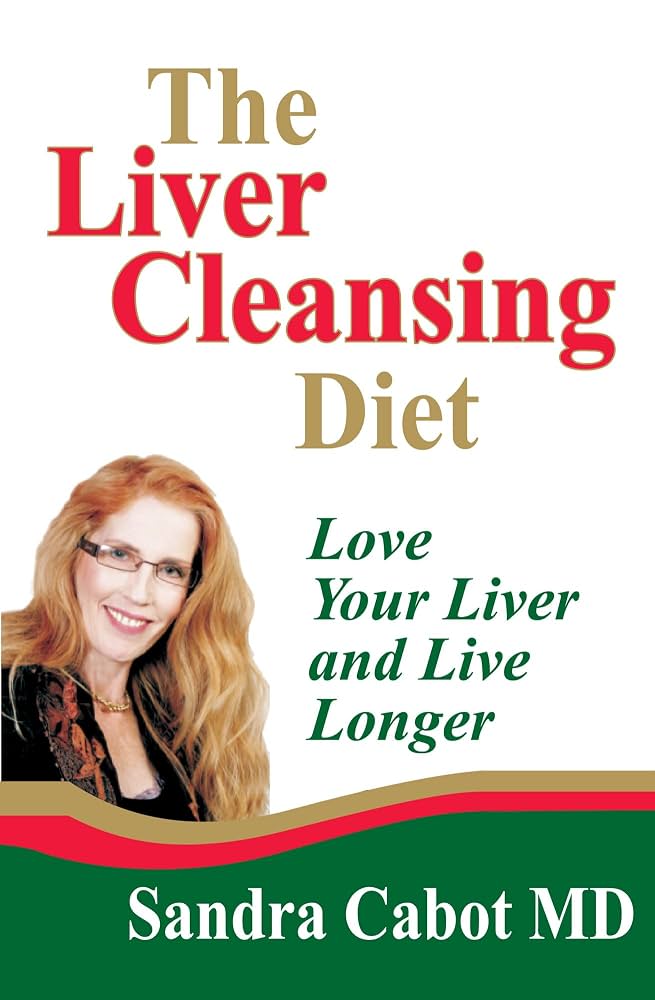
Sandra Cabot published The Liver Cleansing Diet in the mid-1990s and sold over a million copies before most people had heard the word "detox" used outside a hospital setting. That's worth sitting with. This was a physician advocating aggressive dietary reform for liver health, writing for a mass audience, a decade before liver disease became the epidemic it is now.
The book's premise is deceptively simple: the liver is overburdened by modern food, and a focused eight-week eating program can reduce that burden significantly. No injections. No pharmaceutical-grade binders. No aggressive purging protocol. Just food, changed deliberately and held long enough to make a difference.
The book still circulates. You find it in liver-health forums, recommended alongside far more aggressive interventions like the Andreas Moritz liver flush. That longevity is its first signal. Books that rely entirely on novelty fade. Books with a real core get passed around for thirty years.
This review looks honestly at what Cabot was right about, where the science has caught up with or moved past her, and whether her approach still belongs in a serious liver-support practice.
Who Sandra Cabot Is
Sandra Cabot is an Australian physician with a long clinical background in women's health, hormone medicine, and nutritional approaches to liver disease. She worked in practice in the United States and Australia, and her focus on the liver grew from seeing patients with chronic fatigue, hormonal imbalances, and obesity whose conventional workups came back unremarkable but who were clearly unwell.
Her clinical hypothesis, developed through the 1980s, was that subclinical liver dysfunction was far more common than formal disease, and that dietary intervention could reverse it before it became diagnosable pathology. The Liver Cleansing Diet is the popular translation of that clinical perspective.
Cabot is not a fringe figure. She is a practicing MD, trained in conventional medicine, writing from clinical experience with real patients. The question is whether her clinical model maps onto what we now understand about liver metabolism.
The Core Thesis
Cabot's argument is that the liver operates as the body's central metabolic clearinghouse, and that modern dietary patterns, particularly high-fat processed foods, excess sugar, alcohol, and artificial additives, generate a processing load the liver cannot sustainably handle.
Her language around this is sometimes imprecise by today's standards. She uses phrases like "liver toxins" and "liver strain" that are more evocative than biochemically specific. But the underlying model she is describing, that chronically elevated metabolic demand on the liver leads to gradual functional decline and systemic symptoms, is broadly consistent with what hepatology has since documented in the research on non-alcoholic fatty liver disease.
The dietary response she proposes is to reduce that load through eight weeks of eating that prioritizes: raw and lightly cooked vegetables, high-fiber foods, lean proteins, anti-inflammatory fats, and a genuine reduction in sugar, processed carbohydrates, alcohol, and chemical additives. The program is not a fast or a purge. It is a sustained dietary recalibration.
The Eight-Week Protocol
The book structures the eight weeks into phases, moving from stricter initial eating toward a broader maintenance approach. The key principles across the program:
Foods actively featured:
- Cruciferous vegetables: broccoli, cabbage, cauliflower, Brussels sprouts, kale
- Leafy greens and beets
- Garlic and onions
- Whole grains (particularly oats and brown rice)
- Legumes for fiber and plant protein
- Lean animal proteins, particularly fish
- Cold-pressed olive oil as the primary fat
- Fresh fruit for antioxidants
- Water and herbal teas as the primary fluids
Foods substantially reduced or eliminated:
- Refined sugar and high-fructose products
- Processed and packaged foods with artificial additives
- Fried and hydrogenated fats
- Alcohol (strictly through the program, moderated after)
- Red meat in excess
- Dairy in excess, particularly high-fat
Daily practices the book recommends:
- Eight glasses of water daily, ideally filtered
- Fresh juicing (carrot, beet, apple, ginger combinations)
- Raw salads as a primary meal component
- Avoiding eating late in the evening
The program also includes liver-supportive supplements, particularly milk thistle (silymarin), which at the time of publication was already well-studied enough to appear in German medical guidelines for liver conditions. Cabot treats milk thistle as a standard adjunct rather than an optional add-on.
The book provides week-by-week meal plans and recipes, which is what distinguished it from most liver-health writing of the era. It was a manual, not only a theory.
What the Science Actually Supports
Cabot wrote this book before the NAFLD research era fully opened, but many of her dietary instincts have since been validated by the research on dietary management of fatty liver disease.
Cruciferous vegetables. The indole-3-carbinol and sulforaphane compounds in broccoli, cabbage, and Brussels sprouts have since been studied extensively for hepatoprotective effects. Research supports their role in upregulating phase II detoxification enzymes and reducing liver inflammation. Cabot was right on the food, even if the mechanism she described was approximate.
Sugar restriction. The research case for reducing dietary fructose in liver disease has become overwhelming. Fructose is metabolized almost exclusively by the liver, and excess fructose drives de novo lipogenesis, directly contributing to hepatic fat accumulation. Cabot's emphasis on cutting sugar and refined carbohydrates aligns precisely with what the NAFLD literature now recommends as its first-line dietary intervention.
Olive oil and anti-inflammatory fats. The Mediterranean diet's hepatoprotective effects are among the better-studied dietary patterns in liver disease. Oleic acid from olive oil reduces liver fat accumulation and improves insulin sensitivity. Cabot featured olive oil as her primary cooking fat a decade before Mediterranean diet research for liver health became mainstream.
Milk thistle. Silymarin, the active compound in milk thistle, has decades of research supporting its hepatoprotective effects, including anti-inflammatory activity, antioxidant function, and some evidence for fibrosis reduction. While it isn't a treatment for advanced liver disease, its use as dietary support is defensible and backed by more research than most supplements in the space.
Fiber and legumes. Higher dietary fiber intake improves liver outcomes in NAFLD through multiple mechanisms, including reduced glucose absorption, favorable effects on the gut microbiome, and lower postprandial insulin spikes. The high-fiber emphasis in Cabot's program is well grounded.
Alcohol elimination. The benefit here needs no steelmanning. Even moderate alcohol consumption adds hepatic processing burden, and elimination during a focused liver-support period is unambiguously sound.
Where the Book Is Dated or Imprecise
Honesty requires naming what has aged less well.
The "liver toxins" language. Cabot repeatedly references "toxins" and "poisons" accumulating in the liver without specifying what these are. In the 1990s context, this was partly the available vocabulary. Today, it reads as imprecision. The liver is a clearance organ, and specific classes of hepatotoxins (alcohol metabolites, lipopolysaccharides from gut dysbiosis, acetaminophen metabolites, mycotoxins, heavy metals) behave differently and require different interventions. Treating all "liver burden" as a single problem is an oversimplification that can mislead readers about what the program can and cannot address.
The juicing emphasis. Fresh juicing is presented as a cornerstone of the program. The logic is plausible (concentrated micronutrients, easy absorption), but juicing also removes fiber from fruit and some vegetables, which is now understood as a drawback rather than a feature. Whole foods deliver their nutrients in a fiber matrix that slows glucose absorption and feeds the microbiome. Whole-food approaches have more support in current liver research than juicing.
The raw food emphasis. Cabot favors raw vegetables significantly. While raw crucifers do retain some heat-sensitive glucosinolates, light cooking of vegetables is now understood to increase the bioavailability of many other compounds (lycopene in tomatoes, carotenoids in carrots, etc.) and to reduce oxalate load. The raw-is-better framing is partly accurate and partly dated.
The mechanism explanations. Cabot's explanations of how the liver processes fats and hormones are sometimes biochemically simplified to the point of inaccuracy. The liver's actual lipid metabolism, estrogen conjugation, and Phase I/Phase II detoxification pathways are more complex than her explanations convey. Readers looking for biochemical precision will find the explanations insufficient.
The claim scope. Cabot links liver dysfunction to a wide range of symptoms, including skin conditions, hormonal imbalances, fatigue, overweight, and mood disturbance. The liver does play a role in all of these. But the direct causal pathway from dietary liver support to resolution of these conditions is less clear than the book implies. Some readers may expect more than the program can deliver.
Cabot's Approach Versus Modern NAFLD Guidelines
The most useful frame for this book in 2026 is to compare it against what the research on non-alcoholic fatty liver disease now recommends for dietary management.
Current NAFLD dietary guidelines emphasize: caloric restriction for weight loss, reduction of refined carbohydrates and fructose, elimination of alcohol, increase in fiber, a Mediterranean-style eating pattern, and avoidance of ultra-processed foods.
Cabot's program matches this almost entirely. The foods she features, the foods she removes, and the emphasis on sustained dietary change rather than short-term cleansing are all consistent with evidence-based NAFLD dietary management. She arrived there from clinical observation thirty years before the research base fully formed.
The gap is that the NAFLD literature also stresses specific caloric reduction for weight loss as a primary mechanism in reversing hepatic fat accumulation, which Cabot's book underemphasizes. Her approach is food quality over food quantity, which is a legitimate philosophy but not the full picture for someone with diagnosed fatty liver disease who needs to reduce hepatic fat by measurable amounts.
For a reader without diagnosed liver disease who is working on subclinical liver support, that gap is largely irrelevant. The program is a sound dietary recalibration regardless.
Who This Book Is For
Likely to benefit:
People with sluggish digestion, persistent fatigue, and a diet history that includes significant processed food, alcohol, or refined carbohydrates. The dietary changes Cabot recommends are broadly health-improving even if the liver-specific benefits vary. For someone transitioning from a poor diet, this eight-week structure with meal plans gives them a concrete framework to follow.
Women managing hormonal imbalances alongside poor diet. Cabot's clinical background in women's health means she addresses estrogen metabolism and liver clearance more directly than most liver books. The liver's role in conjugating and clearing excess estrogens is real and well-supported. For someone working on that axis, this book's framing is useful.
People seeking a dietary-level intervention before exploring more intensive protocols. If you're considering the Andreas Moritz liver flush or castor oil liver packs, dietary foundation matters first. Cabot's program is a reasonable foundation layer for more intensive approaches later.
People who respond better to food-based protocols than supplement-heavy ones. Not everyone wants to take twelve supplements. An eight-week food program is a lower-barrier entry point.
Approach with adjusted expectations:
People with confirmed fatty liver disease (NAFLD). The program's direction is sound but it was not designed as a clinical NAFLD intervention. Someone with diagnosed fatty liver disease should work with a physician familiar with current dietary management guidelines, using Cabot's book as a supportive reference rather than a treatment protocol.
People looking for a quick fix. The eight weeks is the minimum. Cabot is clear that the eating principles should become a baseline, not a finite program. That's not a weakness of the book; it's accurate. Liver recovery from years of poor diet takes longer than two months.
People hoping to address specific toxin exposures (mold, heavy metals, chemical exposures). The book is not designed for this. Its intervention is broad dietary quality improvement, not targeted mobilization of specific toxicants. For those needs, the protocols on liver detox and targeted binder approaches address those threads more specifically.
How It Fits a Real Detox Practice
The Liver Cleansing Diet sits at the dietary foundation layer. It is not a protocol in the sense that the Andreas Moritz flush is a protocol. It is a sustained eating framework designed to reduce the burden the liver carries daily, so the liver can do its work.
The sequencing argument matters here. Intensive liver-support protocols, including flushes, castor oil packs, or targeted supplement stacks, work more effectively when the organ's baseline environment is supportive. Running an aggressive cleanse protocol against a background diet full of processed food, alcohol, and refined sugar is working against yourself. Cabot's eight-week program, or a version of it, is a reasonable dietary foundation before stepping into more intensive work.
It also pairs well with the information on castor oil liver packs, which are a gentle, compatible adjunct to dietary liver support. And for readers interested in the hormonal-clearance angle Cabot covers, the liver detox complete guide on this site covers the Phase I and Phase II metabolism pathways in more biochemical detail.
Our Take
The Liver Cleansing Diet has aged better than most of its peers from the same era.
The dietary model Cabot built from clinical observation has been validated in large part by the research on fatty liver disease that followed her book by fifteen to twenty years. The foods she features are hepatoprotective. The foods she removes are genuinely problematic for liver health. The supplement she recommends (milk thistle) has the best research backing of any liver supplement. And she wrote an actual practical manual with meal plans, not just a theory.
Where it shows its age is in the mechanism descriptions, the juicing emphasis, and the scope of conditions she claims the program addresses. The biochemistry explanations are simplified. The claim that an eight-week diet reverses a wide range of chronic conditions sets an expectation the program may not meet for everyone.
The honest position: this is a solid dietary liver-support program built from real clinical observation, with its strongest weaknesses being imprecision about mechanism and somewhat elevated expectations about outcomes. The dietary changes themselves are worth making. The juicing can be moderated. The mechanism explanations should be held loosely.
For someone wanting to support their liver through food rather than through intensive protocols, this book gives them a real framework to follow. For someone already doing intensive protocols, it gives them the dietary foundation those protocols need.
Neither cheerleading nor dismissal fits. It's a good book with real limitations. Read it as a dietary guide; take the meal plans seriously; hold the mechanism language loosely.
Related MadWorldDetox Guides
- Liver Detox Complete Guide - The full Phase I and Phase II detox pathway, supplement protocols, and sequencing
- Andreas Moritz Liver Flush Protocol - The intensive flush approach Cabot's dietary work can prepare you for
- Book Review: The Amazing Liver and Gallbladder Flush by Andreas Moritz - How Cabot's dietary approach compares to the flush tradition
- Castor Oil Liver Pack Guide - A gentle adjunct to dietary liver support
Products Mentioned
The Liver Cleansing Diet - Sandra Cabot, MD, the 1990s liver-diet bestseller (8-week dietary program for liver-supportive eating, now in its seventh-plus edition).
Affiliate Disclosure: This review contains affiliate links. We may earn a small commission on purchases made through these links at no additional cost to you. We only recommend books and products we've researched and believe provide value. Our assessment of the book itself is independent of any affiliate relationship.
Last updated: June 2026