Book Review: The Toxin Solution by Joseph Pizzorno, ND
Last updated: June 2026 Reading time: 15 minutes
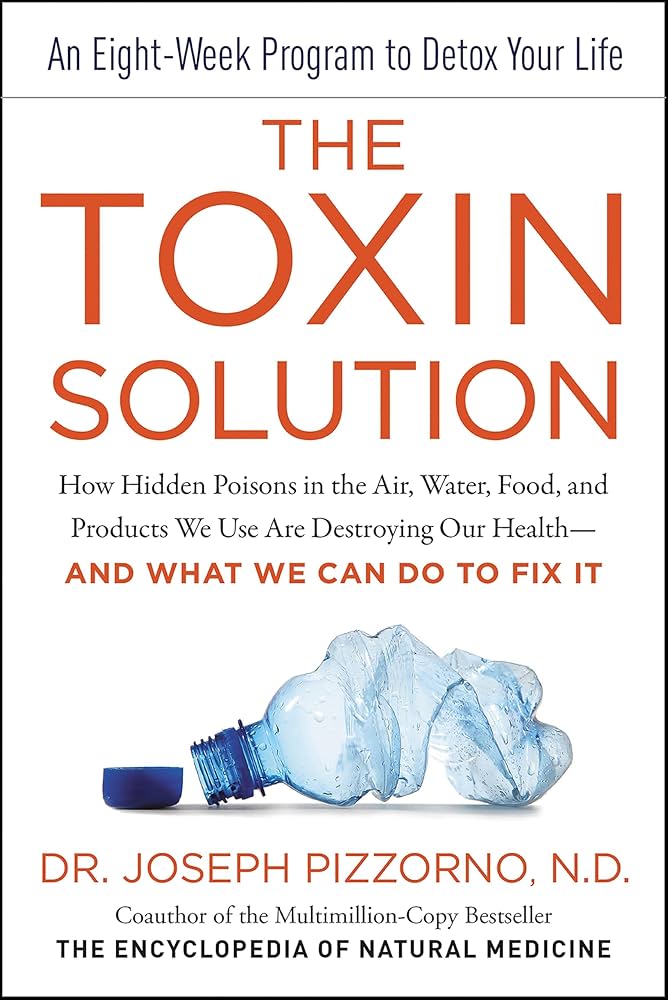
Most detox books ask you to trust the author. Joseph Pizzorno, ND, asks you to test your blood.
That is not a rhetorical point. In "The Toxin Solution," Pizzorno describes getting his own blood and urine tested for heavy metals, plasticizers, pesticide residues, and other industrial chemicals, and finding levels that alarmed him, despite decades of careful living. A naturopathic doctor with the laboratory habits of a researcher, staring at biomarker results that looked like someone who had been careless.
That opening honesty sets the tone for the entire book. Pizzorno is not a detox evangelist selling a cleanse. He is a clinician and researcher who spent decades co-authoring the Textbook of Natural Medicine, watching a pattern emerge in patient after patient: people who ate well and lived carefully were still accumulating toxic loads that correlated with the very conditions they were trying to prevent. His book is the systematic account of how that happens, how to measure it, and what to do about it.
The result is the most evidence-grounded detox book in this genre. That is not faint praise, and it is not without qualification. Pizzorno's framework is strong where environmental medicine is strong: the documented presence of industrial toxins in human tissue, the biological mechanisms through which those toxins impair organ function, and the diet-first strategies for reducing load and improving clearance. The program becomes harder to evaluate where it ventures into coordinated supplementation and ambitious detox timelines. Those qualifications matter, and this review will name them honestly.
But the case Pizzorno makes for taking environmental toxin load seriously as a driver of modern chronic disease is one of the most carefully constructed in the popular literature. That case deserves a fair hearing.
Who Pizzorno Is, and Why It Matters
Joseph Pizzorno, ND, founded Bastyr University in 1978 and served as its president for more than two decades. Bastyr is the flagship naturopathic medical school in North America. He co-authored the Textbook of Natural Medicine, which went through multiple editions and became the primary academic reference in the field. He also co-authored the Encyclopedia of Natural Medicine, which reached a general audience.
These credentials matter in a specific way. Pizzorno is not a self-published wellness influencer or a clinician operating at the fringe. He has spent his career building the academic infrastructure of naturopathic medicine. When he wrote "The Toxin Solution," he was drawing on decades of clinical practice, textbook authorship, and engagement with the primary research literature.
That background shapes the book's orientation. Pizzorno reasons from mechanisms, not from testimonials. He distinguishes between well-documented effects of specific toxin classes and speculative claims. He references biomonitoring studies and places his clinical observations in a research context. Whether you agree with his conclusions, the reasoning is traceable and the evidence base is named.
This does not make the book equivalent to a clinical study. It makes it a serious practitioner's read of a complicated body of evidence. That distinction matters throughout.
The Core Argument: Toxic Load as a Measurable Driver of Disease
Pizzorno's central claim is specific: the cumulative burden of industrial toxins people carry in their tissues is a significant, measurable, and underappreciated driver of chronic disease, from diabetes and heart disease to cognitive decline and hormonal disruption.
He builds this argument in three layers.
The exposure layer. Industrial chemicals entered the food supply, the water supply, personal care products, building materials, and cookware at scale during the twentieth century. Many of these chemicals are lipophilic, meaning they dissolve in fat rather than water, which means they accumulate in fatty tissue rather than being excreted efficiently. Others bind to proteins in ways the body cannot easily reverse. Biomonitoring studies conducted by the CDC and academic researchers consistently find dozens of industrial chemicals in human blood, urine, and adipose tissue. This is not a fringe claim. The contamination is documented.
The mechanism layer. Pizzorno spends considerable time on how specific toxin classes interfere with normal physiology. Persistent organic pollutants and plasticizers act as xenoestrogens, competing with the body's own hormones at receptor sites. Heavy metals like lead and mercury interfere with enzyme function by displacing essential minerals from binding sites. Pesticide residues impair mitochondrial function. Some of these mechanisms are well characterized in the research literature. Others are better established in animal studies than in human clinical research. Pizzorno generally distinguishes between these when he is being careful.
The load-and-threshold layer. The most important and most contested piece of Pizzorno's argument is that the combined toxic load, even when individual chemical levels fall below regulatory safety limits, produces health effects. The logic is that regulatory limits are set one chemical at a time, while actual human exposure is to hundreds of chemicals simultaneously, and the interactions between them are rarely studied. This is a reasonable concern and a real gap in regulatory toxicology. The direct evidence that combined low-level exposures cause specific diseases in humans is harder to establish, and Pizzorno acknowledges this incompletely. The argument is plausible. The proof is incomplete.
Understanding which layer you are in at any given point in the book helps calibrate how much confidence is warranted.
What the Four Pillars of His Program Actually Look Like
Pizzorno organizes his detox program around four areas: reducing exposure, improving the function of the organs that process and eliminate toxins (liver, kidneys, gut), using targeted nutritional support to enhance detox pathways, and addressing the specific toxin classes most relevant to the individual.
Reducing exposure. This section is the strongest and most actionable in the book. Pizzorno gives detailed, practical guidance on switching to glass or stainless food storage, filtering water, choosing lower-pesticide produce, using personal care products free of phthalates and parabens, and reducing indoor air pollution. These recommendations are grounded in the documented presence of those toxins in human tissue and well-characterized exposure pathways. The cost is mostly the cost of attention and some habit change.
Supporting liver function. The liver runs the primary detoxification chemistry through two phases: phase one, which oxidizes fat-soluble toxins using cytochrome P450 enzymes, and phase two, which conjugates those oxidized intermediates with water-soluble compounds for excretion. Pizzorno explains this biochemistry clearly. He recommends dietary support through cruciferous vegetables, which upregulate phase two enzymes, and antioxidant support to prevent phase one intermediates from causing oxidative damage before phase two handles them. This is solid nutritional biochemistry, practiced in both functional medicine and clinical nutrition.
Gut function. The gut receives toxins from food and water and is responsible for excreting conjugated toxins through bile. When the microbiome is disrupted and constipation is present, conjugated toxins can be deconjugated by bacterial enzymes and reabsorbed before they exit the body. Pizzorno's attention to bowel regularity, fiber intake, and microbiome support as prerequisites for effective detox is medically sound. This overlaps with the gut-detox framework our gut detox complete guide covers in full.
Targeted supplementation and chelation. This is where the program becomes more complex and where Pizzorno's claims require more scrutiny. He recommends specific supplements to support detox pathways and, for heavy metals, modified citrus pectin and other binding agents in the gut. For significant metal burden, he discusses professional chelation. These recommendations vary considerably in their evidence base, from well-supported (N-acetyl cysteine as a glutathione precursor, for example) to less established in clinical populations. The general principle of nutritional support for detox pathways is sound. The specific protocols require working with a practitioner, and the dosing and sequencing Pizzorno outlines should not be treated as DIY guidelines.
Where the Evidence Is Strongest
Pizzorno's framework is most convincing in four areas.
Plastics and xenoestrogens. The evidence that phthalates, BPA, and related plasticizers act as endocrine disruptors in human populations is substantial. Multiple human biomonitoring studies show that higher urinary phthalate levels associate with altered reproductive hormones, reduced sperm quality, thyroid disruption, and metabolic effects. Regulatory bodies including the EU have banned or restricted several of these compounds based on this evidence. Pizzorno's concern here is well grounded. Our plastics, BPA, and xenoestrogen detox guide covers the specific exposures and how to reduce them.
Lead and cardiovascular disease. The evidence that even low-level lead exposure increases cardiovascular risk in adults is among the more robust findings in environmental epidemiology. Studies following people over time have found that bone lead levels, which reflect historical cumulative exposure, predict cardiovascular events and mortality independently of other risk factors. This is an established effect, and Pizzorno presents it accurately.
Pesticide metabolites and neurological effects. Organophosphate pesticide exposures correlate with cognitive effects in children in multiple prospective studies, and with Parkinson's disease risk in adults in epidemiological research. The documented presence of pesticide metabolites in most Americans makes this more than a theoretical concern.
The dietary and lifestyle base. The recommendations around organic produce, filtered water, and avoiding plastics have the strongest evidence base of anything in the program. If someone reads this book and does nothing but shift their exposures in these areas, the changes are well supported.
Where the Framework Asks More Than the Research Has Proven
A fair read cannot stop at the strengths.
The combined-load hypothesis is suggestive, not proven. The argument that regulatory limits set for individual chemicals miss the real-world effect of hundreds of chemicals acting together is logically coherent and scientifically plausible. The direct human clinical evidence that combined low-level exposures cause specific diseases is difficult to establish, because you cannot run randomized trials on long-term chemical exposure. The epidemiological associations exist, but the mechanistic and interventional evidence is thinner than Pizzorno sometimes implies.
The supplement protocols are ahead of trial evidence. The book is specific about nutritional supplements, dosing schedules, and sequencing for detox support. Some of these recommendations rest on mechanistic research (showing that a compound affects a pathway in cell culture or animal models) rather than clinical trials showing that supplementing at these doses produces measurable detox benefits in humans with improved health outcomes. The gap between mechanistic plausibility and clinical proof matters.
Chelation for non-acute exposures requires expertise. Pizzorno discusses chelation approaches for heavy metals in a book accessible to general readers. This deserves strong caution. Mobilizing heavy metals without ensuring adequate binders are in place, that elimination pathways are open, and that the protocol is appropriately matched to the individual's burden can redistribute metals in ways that cause harm. Anyone considering heavy metal chelation beyond dietary support and simple gut-binders should do so under the supervision of a clinician experienced in this area. The heavy metal protocols we cover here frame the evidence and the caution appropriately.
Lab testing as a foundation. Pizzorno encourages measuring toxic burden through blood, urine, and provoked urine testing before building a protocol. This is principled reasoning, and it distinguishes his approach from detox programs built on fixed formulas for everyone. But the interpretation of environmental chemical lab tests requires expertise, reference ranges are contested in some areas, and provoked urine testing for metals in particular is not standardized in ways that make interpretation straightforward. A reader who goes directly from this book to ordering tests online and self-interpreting results will likely draw conclusions the data cannot support.
How This Fits a Real Detox Practice
Pizzorno's framework and MadWorldDetox's approach to environmental detox are genuinely aligned at the structural level. The logic of opening elimination pathways before mobilizing toxins, the priority of reducing exposure before attempting enhanced excretion, and the recognition that liver-gut-kidney function are the pillars of endogenous detox all run through both.
The practical entry points this book supports:
Working on plastics exposure reduction is where most readers should start, and the plastics, BPA, and xenoestrogen detox guide offers the step-by-step. Pizzorno's framing gives the motivation; the guide gives the execution.
For anyone concerned about heavy metal burden from older dental work, occupational exposure, or high seafood consumption, Pizzorno's case for lab testing first is correct. Our heavy metal protocols and best binders for detox guide cover how to support clearance with gut binders once burden is assessed.
The dietary foundation Pizzorno describes, centered on cruciferous vegetables, fiber, filtered water, and organic produce, maps onto what we describe in the what real detox requires framework. This is not a supplementation story at its core. It is a food and exposure story first.
Anyone working the heavy metal protocols or exploring chelation more seriously will benefit from Pizzorno's explanation of phase one and phase two liver detox, because that biochemistry explains why binders, antioxidants, and elimination support matter during the process.
Who Should Read This Book
Read it if:
- You want to understand the environmental medicine case for toxin load as a disease driver, written by one of the field's credible practitioners
- You have chronic conditions that have not responded to standard approaches and want to understand the toxic exposure framework
- You are already doing dietary and environmental cleanup and want a more systematic understanding of the biochemistry involved
- You are preparing to work with a functional medicine or naturopathic practitioner on environmental toxins and want to understand the vocabulary
Read it carefully, or work with a practitioner, if:
- You are considering chelation or heavy metal detox beyond diet and gut binders. This is not a self-directed protocol; it requires monitoring
- You intend to use the lab testing sections as a basis for self-interpretation. The tests he describes require clinical context
- You have compromised kidney or liver function. Mobilizing toxins requires functional elimination pathways, and those need assessment first
- You are pregnant or nursing. Toxin mobilization during pregnancy carries specific risks that Pizzorno addresses but that require medical guidance to navigate
The Bottom Line
"The Toxin Solution" is the most credible book in the detox genre because it was written by someone who spent his career building the academic infrastructure of natural medicine and who applies real clinical reasoning to the available evidence.
The environmental medicine case it makes, that industrial chemicals accumulate in human tissue, that those chemicals impair hormone signaling, enzyme function, and organ performance through documented mechanisms, and that reducing exposure and supporting elimination pathways is consequential for long-term health, is well constructed and important. This is not wellness speculation. The contamination is documented. The mechanisms are characterized. The protective interventions at the dietary and exposure level are supported.
Where the book asks for more confidence than the research provides, it is in the specifics: the combined-load thresholds, the supplementation protocols, the self-directed chelation approaches. These areas require professional guidance that the book does not always make sufficiently clear.
Read it for the framework, which is sound. Read it for the dietary and exposure-reduction sections, which are well grounded and practical. Treat the advanced supplementation and chelation guidance as a map to a conversation with a practitioner, not a set of self-directed instructions.
The environmental toxin problem Pizzorno describes is real. His approach to addressing it is more rigorous than almost anything else in this space. That rigor, applied with appropriate professional oversight where the protocols demand it, is what makes this book worth carrying.
Related MadWorldDetox Guides
- Plastics, BPA and Xenoestrogen Detox - How to reduce the specific exposures Pizzorno flags as highest priority
- Heavy Metal Protocols - Evidence and caution for the chelation work Pizzorno outlines
- Best Binders for Detox - Gut-based toxin binding during any detox process
- What Real Detox Requires - The elimination-pathway-first framework that underpins Pizzorno's approach
Products Mentioned
The Book:
The Toxin Solution: How Hidden Poisons in the Air, Water, Food, and Products We Use Are Destroying Our Health, and What We Can Do to Fix It - Joseph Pizzorno, ND. Comprehensive environmental medicine framework for assessing and reducing toxic burden.
Affiliate Disclosure: This review contains affiliate links. We may earn a small commission on purchases made through these links at no additional cost to you. We only recommend books and products we've researched and believe provide value. Our assessment of the book itself is independent of any affiliate relationship.
Last updated: June 2026